Aayan Ahmed, Eagle Scout
Total Volunteer Hours: 106
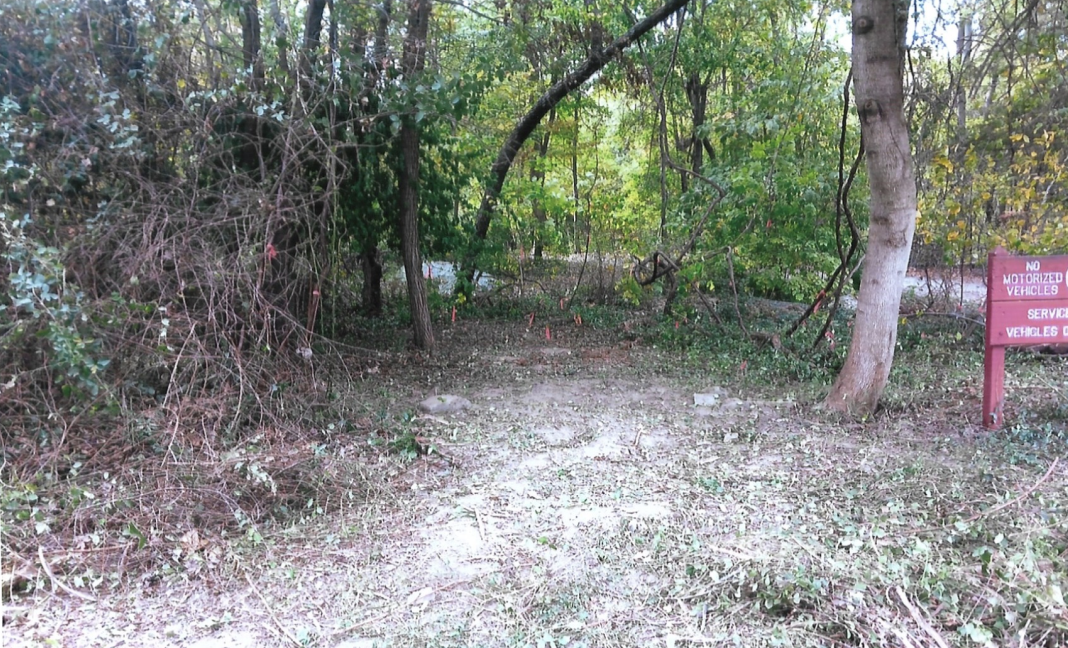
At Frying Pan Park Farm, there are numerous invasive plants that damage native plants and attract unwanted species like Lantern Flies. My Eagle Scout project involved removing the following: Multi-flora rose, Bush Honeysuckle, Invasive Wineberry, and Wintercreeper. After the removal, I planted the following native plants: Spicebush, Black Walnut, Red Oak, Dogwood, and Cherry Tree. This ensures the success of the native plants and the eradication of invasive plants at the site I worked on.
Observations and Challenges
Throughout my project, removing the invasive plants went really well despite how thorny most of the plants were. Further, planting the seeds and the natives went smoothly. Clearing the area of Wintercreeper went particularly well and we were ahead of schedule with Day 2 finishing 2 hours early.
What was challenging in the project was the unclear communication between my beneficiary and I. While I was told that tools were in a garage, it turned out that the garage was 20 minutes away from the park my Eagle Project was located at. Subsequently, my project started an hour later on the first day and led to some further delays on the second day. In addition, removing the thorny plants like the multi-flora rose and digging out the bush honeysuckle was very challenging. The thorns punctured through clothes and the honeysuckle roots required extensive digging.
Changes (from original proposal)
The most significant change from my proposal was the change in the site. I was committed to doing one site until I was forced into another one because of how difficult it was for a Scout like myself to demonstrate leadership in such a big scale project. I was able to coordinate with my beneficiary on a different site, which helped make the change not as significant.
Leadership
I demonstrated leadership by directing volunteers to the site, teaching them the different plants on the site and removal method. I further assigned signed tasks to the volunteers: someone digs, someone rake the soil for planting the seeds. I also communicated with the volunteers and clearly with park staff so they can assess the site. Finally I coordinated with volunteers—where to rake, where to dig, where to remove the plants, and cleaning up after we finished.
What was challenging was time management throughout the project. During the project I had to pick up materials, causing me to lose time on working in the project. This meant I needed to improvise on the spot: assigning tasks to the volunteers that they can do while I am away.
The most rewarding part about being the leader was being able to direct scouts that I trusted and completing the project with them. It was fulfilling to do the community at Frying Pan Park Farm a service by removing invasive plants and supporting their goal of removing invasive plants in their parks. I also educated the community about the importance of removing invasive plants, inspiring others to take action in removing invasive plants in their area.
Through the project I learned how important communication is between volunteers, beneficiary, and myself as a leader. In a project where most of the materials distribution are not under my control, it’s important to communicate well and clearly on the location of these materials. When trying to tie an educational component in the project, I must be able to communicate very well to my
volunteers the specific roots we are looking for in the plants, the methodology we are going to use to remove them, and how we should use each tool effectively. Overall, communication is an important aspect.


Pictures of the Wintercreeper, Bush Honeysuckle, and Multi-Flora Rose


Project work days + completion